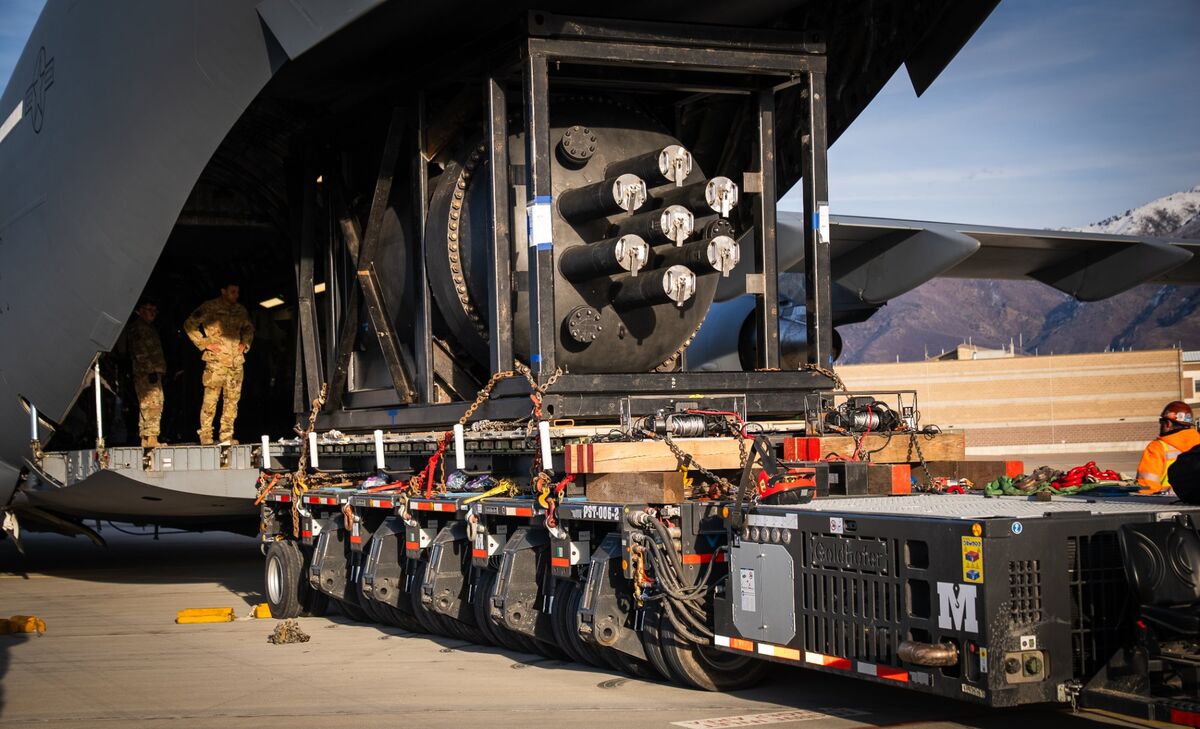
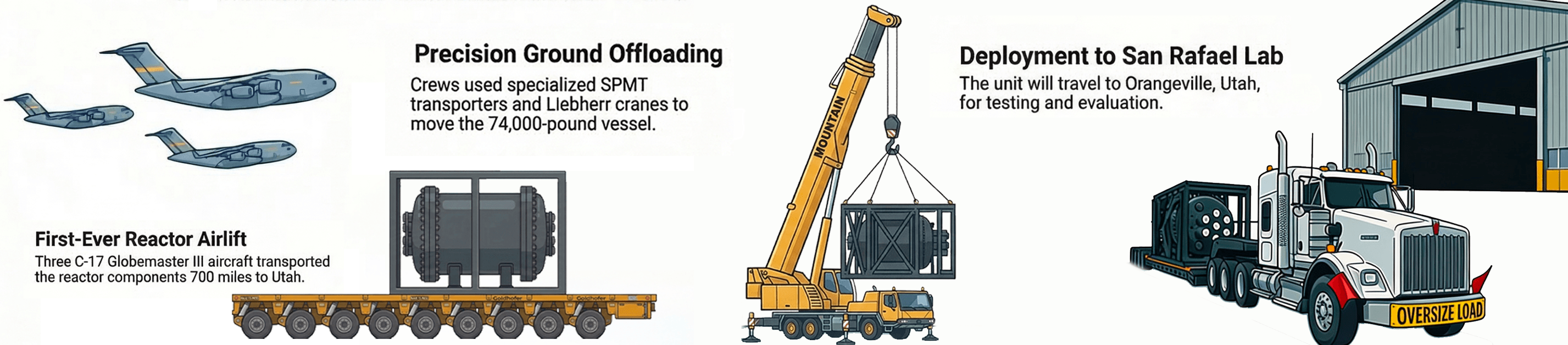
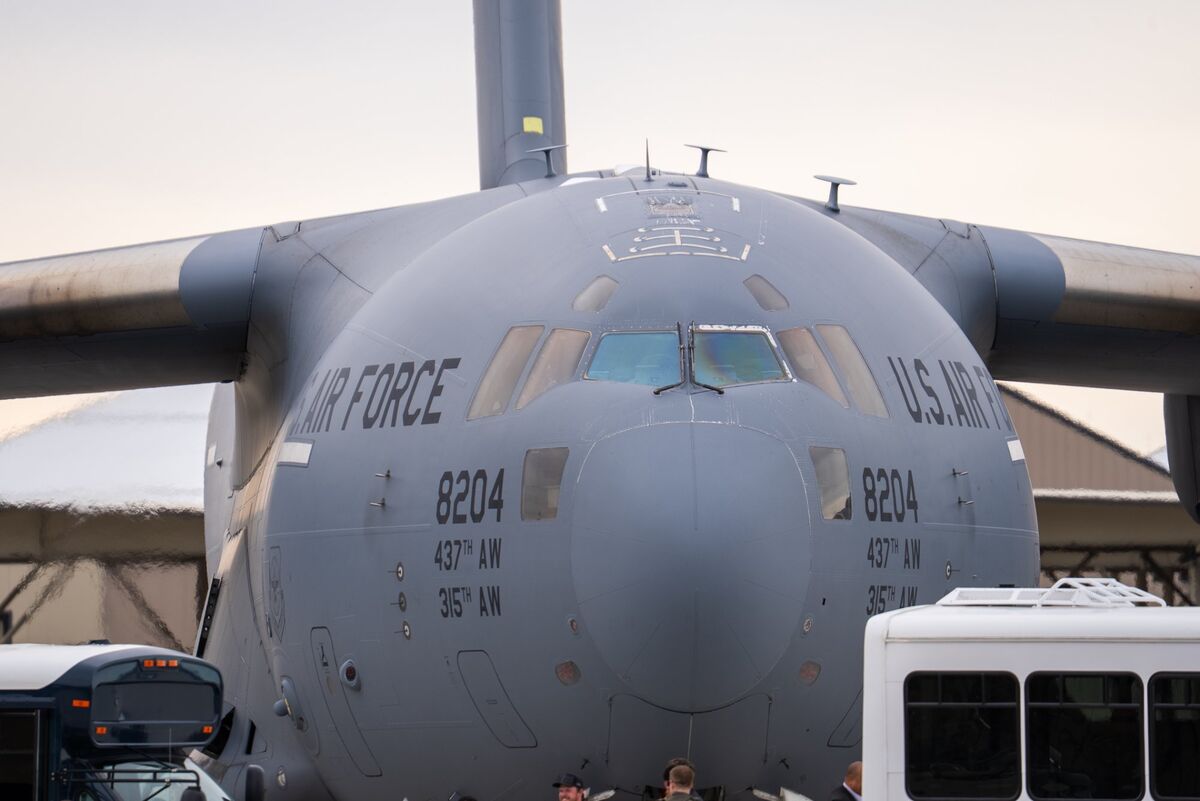
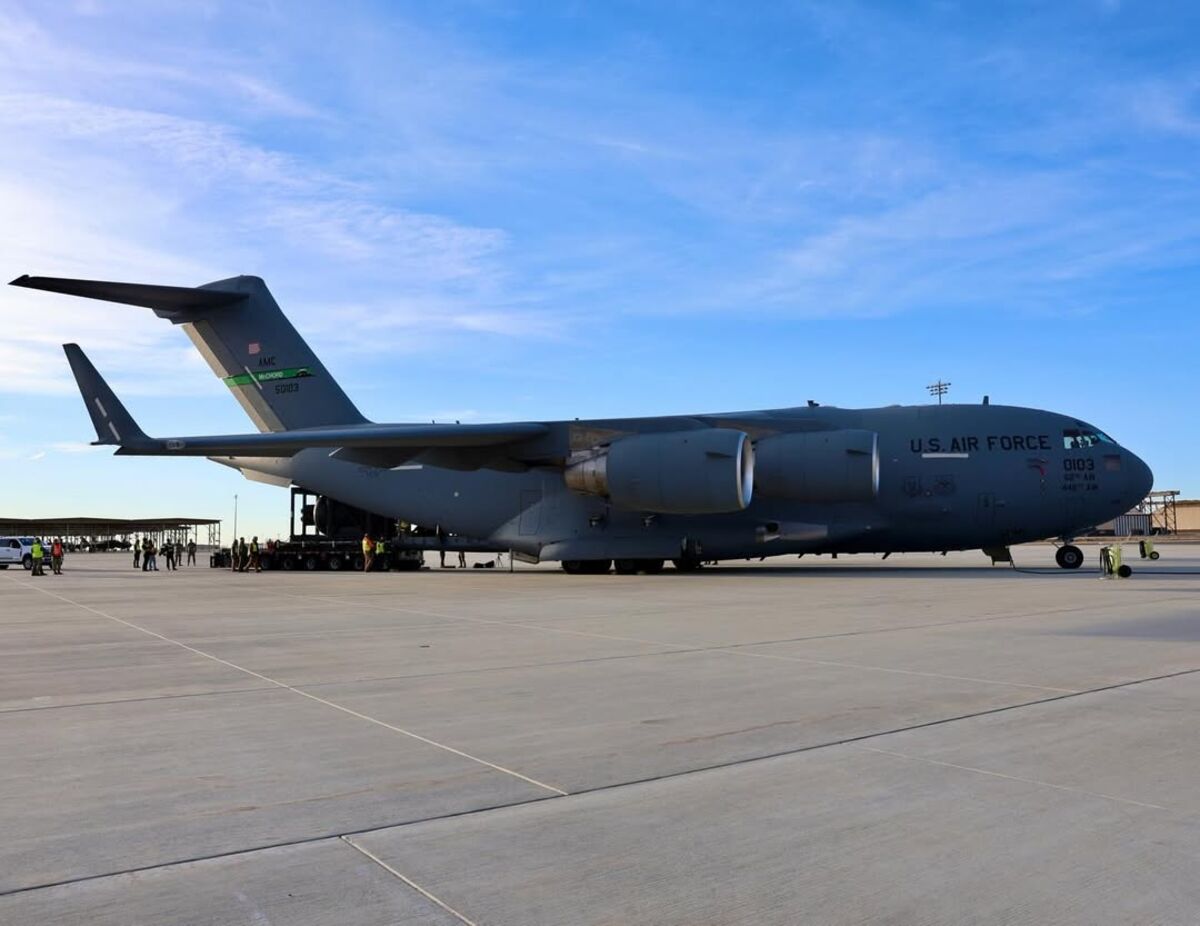
A historic piece of nuclear technology arrived in Utah, marking the first time a nuclear microreactor had ever been transported by military aircraft. The reactor, built by Valar Atomics, was flown from March Air Reserve Base to Hill Air Force Base aboard three Boeing C‑17 Globemaster III cargo planes. The mission—part of a federal effort to demonstrate rapid deployment of nuclear energy—was designed to show how compact reactors could one day power military installations or remote communities.
The microreactor, known as the Ward 250 microreactor, can eventually generate up to five megawatts of electricity, enough to power thousands of homes, though it was transported without nuclear fuel for safety during the demonstration flight.
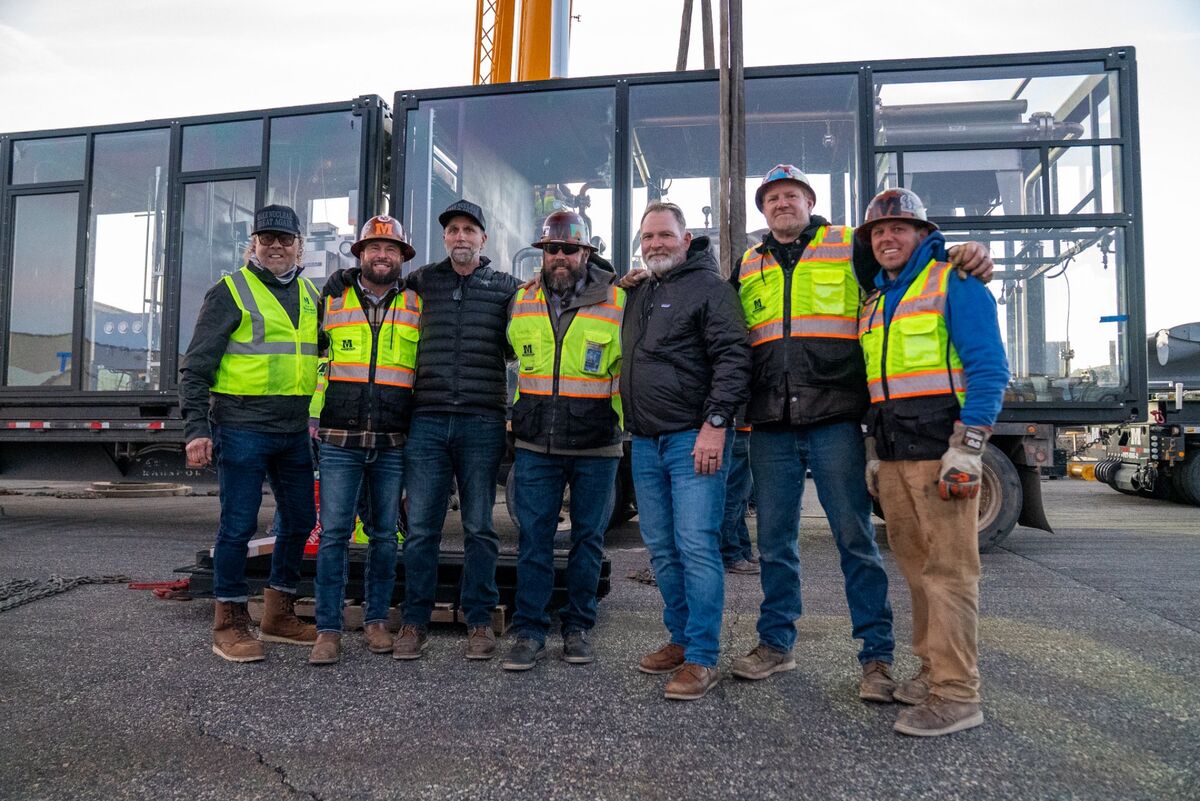
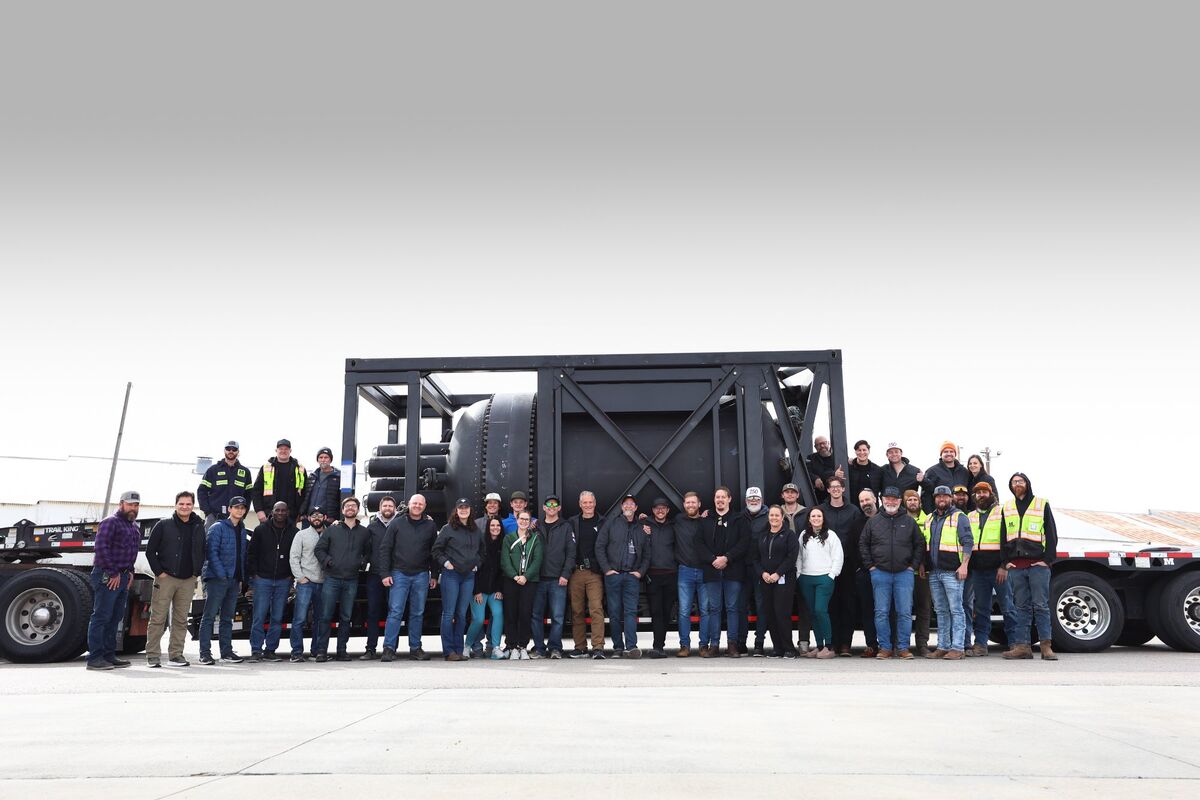
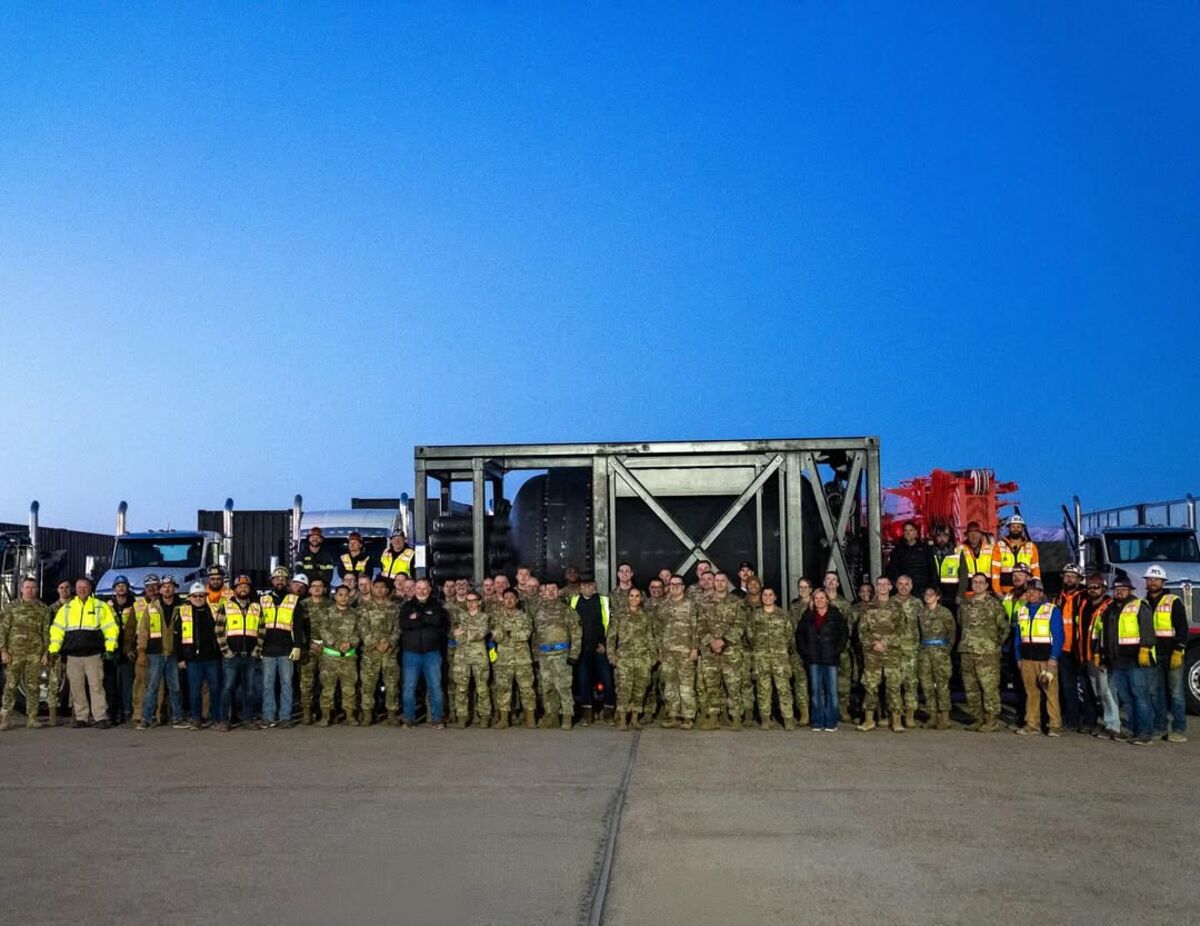
Behind the scenes, teams from government agencies, private companies, and contractors worked together to make the historic delivery possible, and we were honored to play a role. Mountain first learned about the project through a message from company leadership asking to coordinate equipment for a job at Hill Air Force Base. What initially sounded like a routine request quickly turned into something much larger. The team soon realized we would play a role in offloading and transporting one of the most talked-about pieces of advanced energy technology in the country.
“When we actually got up to the C-17 that the reactor was on and we were standing right there next to it, it was incredible,” said Brady Pobanz, a member of Mountain’s sales team who helped coordinate the project. “It’s just something you can’t make up.”
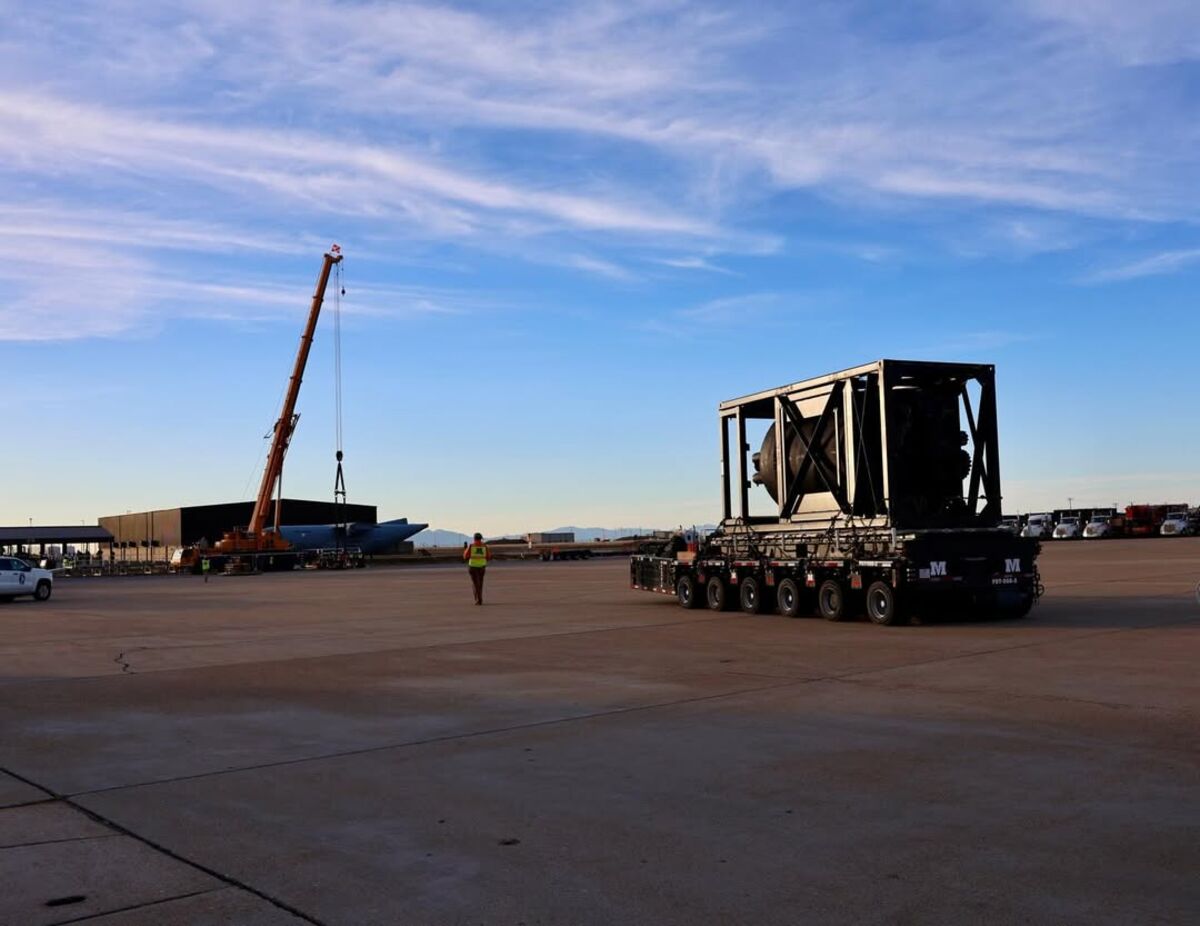
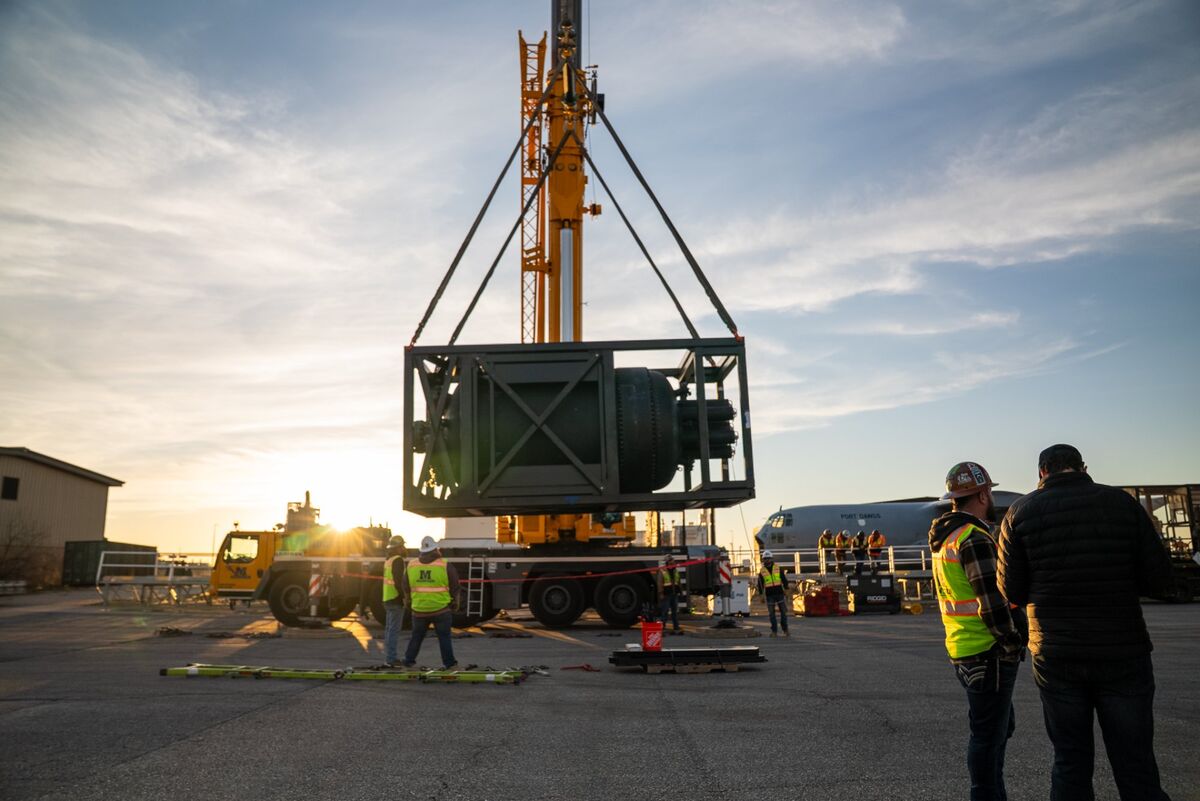
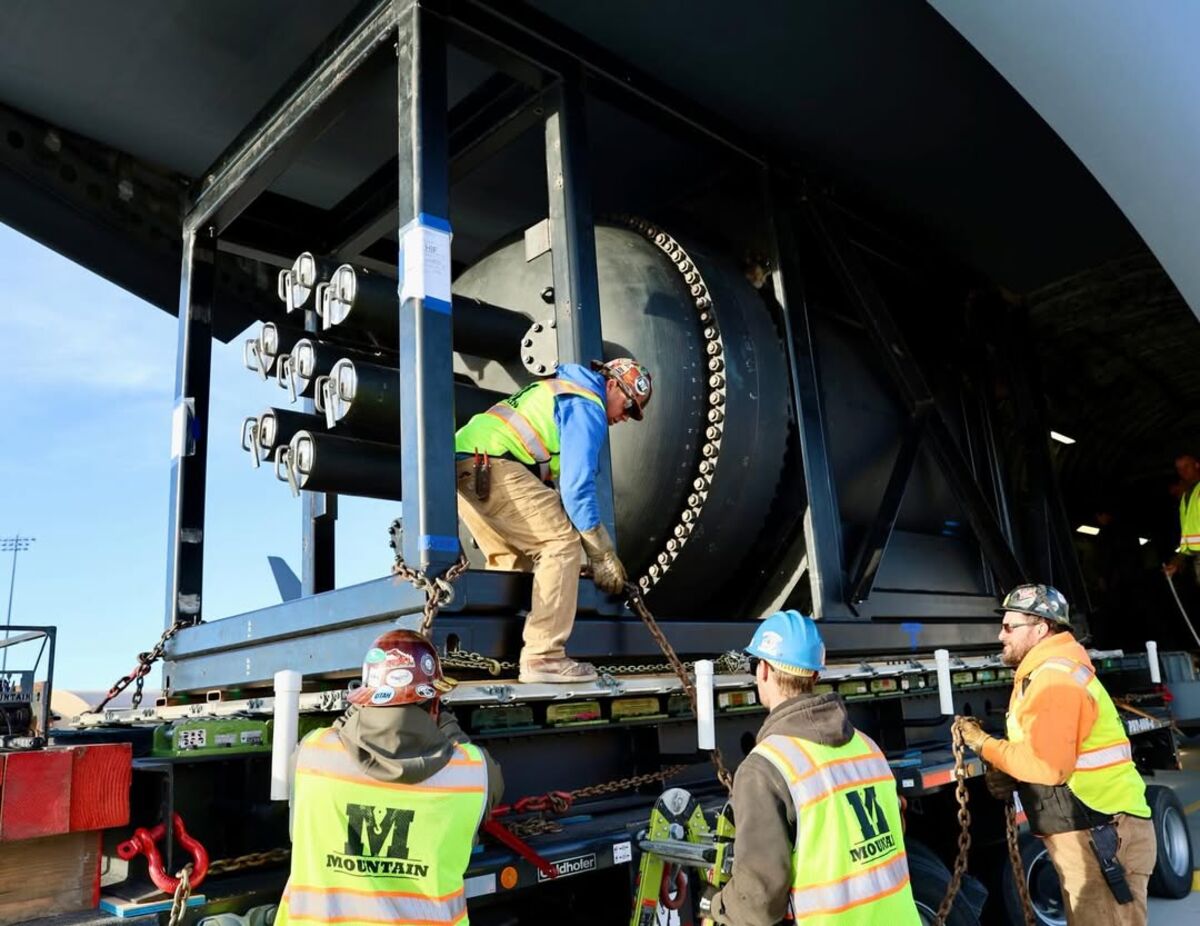
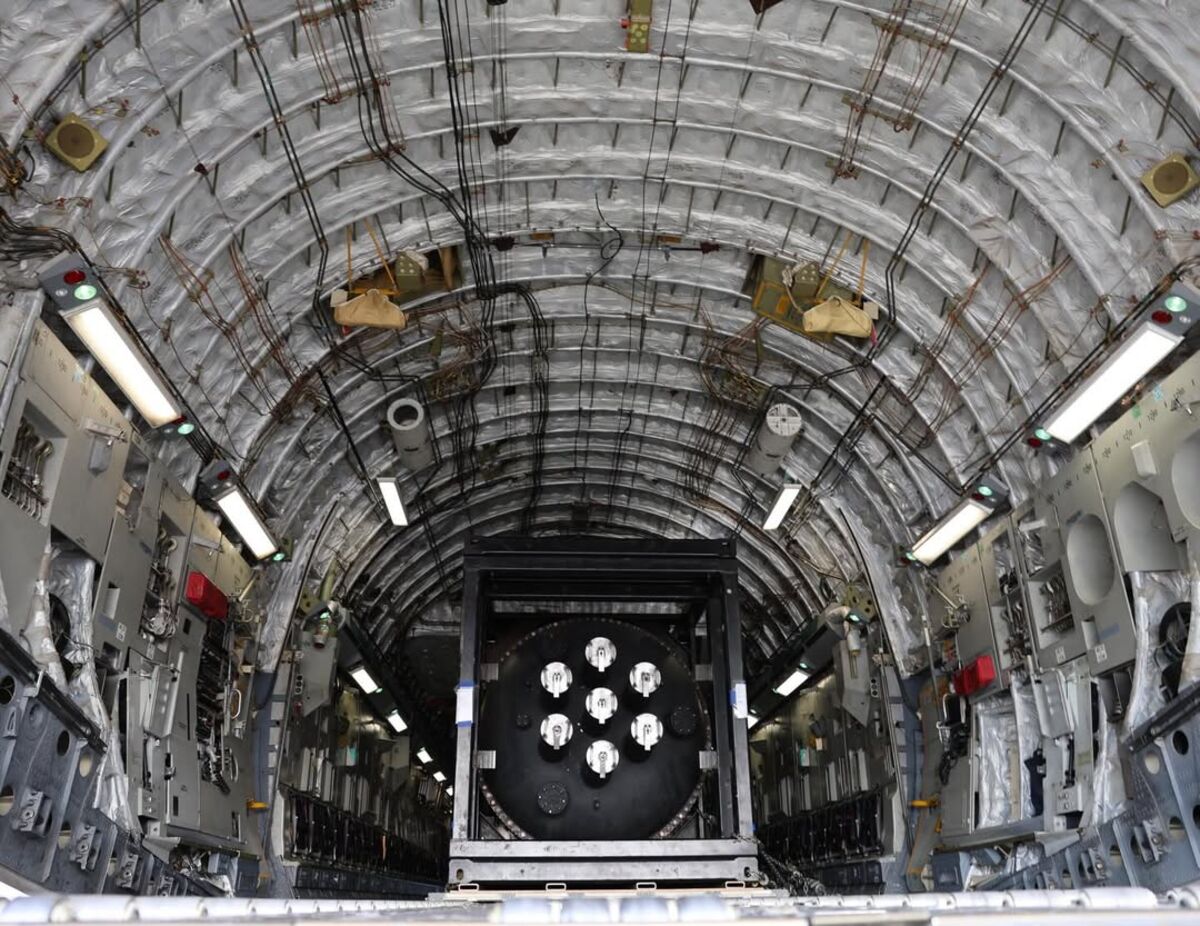
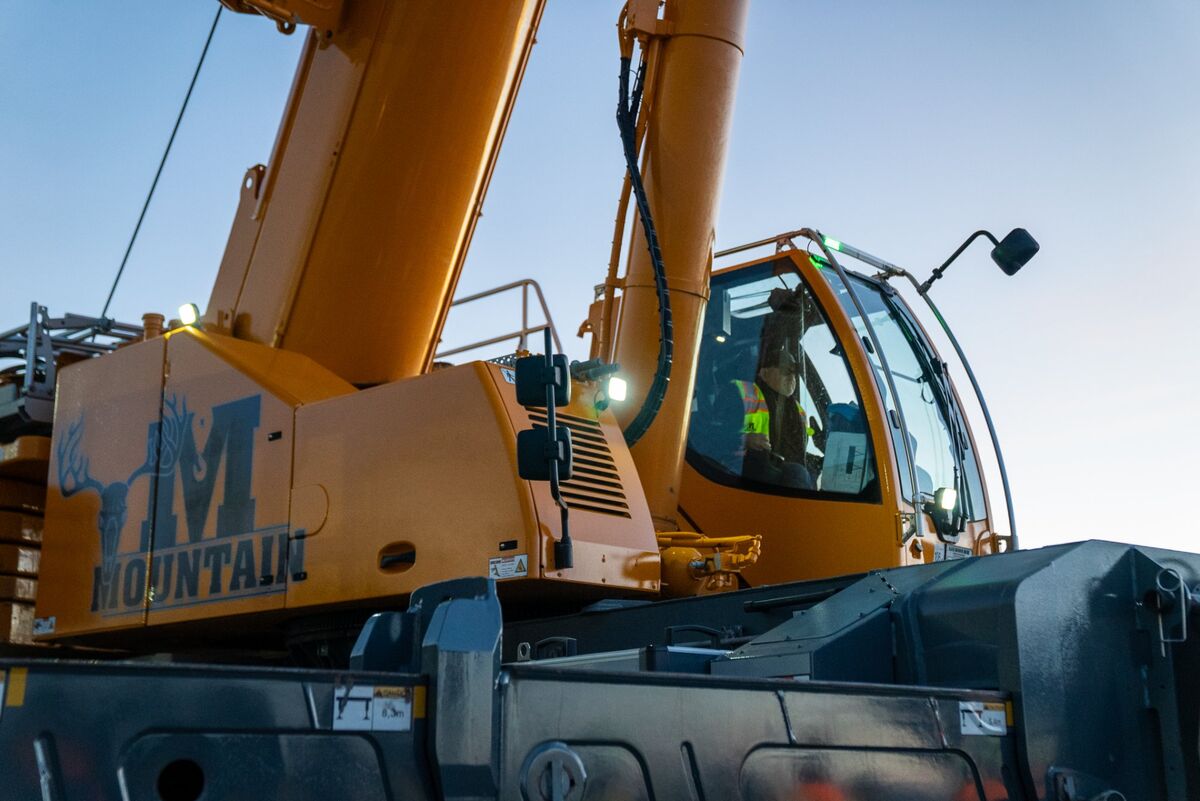
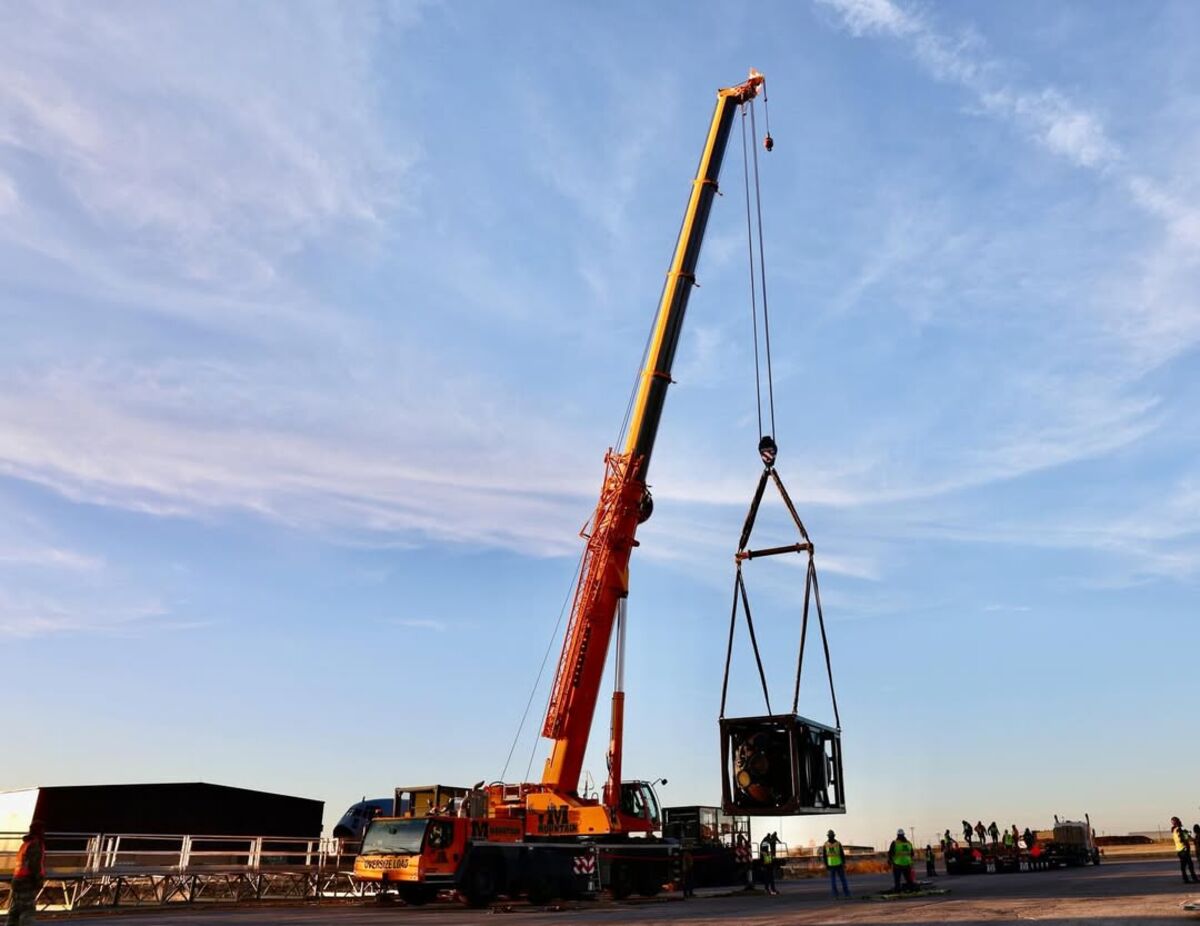
When the three military aircraft arrived on the tarmac, the operation shifted into high gear. Air Force personnel handled the aircraft unloading while Mountain’s crew positioned a Goldhofer SPMT to receive the reactor vessel. The one-of-a-kind component—about 74,000 pounds—was carefully rolled from the aircraft onto the transporter using a custom engineered frame before being moved across the base to a crane staging area. There, a Liebherr LTM 1160 was used as part of the lift operation to handle the reactor and components. Strict security procedures, background checks, and detailed lift plans were required to ensure every step of the process met military and engineering safety standards. With high-profile officials, engineers, and media watching, the successful transfer marked a major milestone in the project.
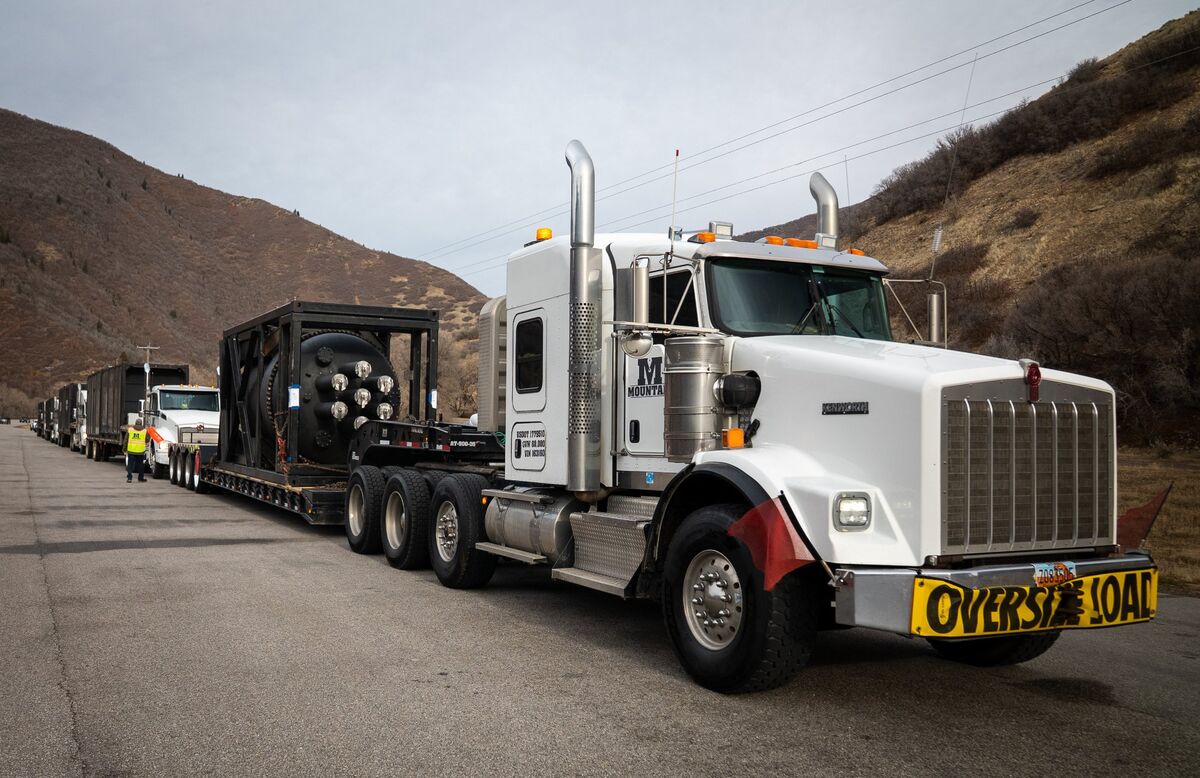
Once the reactor was secured on heavy-haul trailers, the mission continued beyond the base gates. The convoy traveled through Utah toward Orangeville, Utah, where the system will eventually undergo testing at the Utah San Rafael Energy Lab. Along the way, the unusual cargo attracted crowds and curiosity from residents who gathered along the route to watch the convoy pass.
For the Mountain team, the project was more than just another lift—it was a chance to participate in a moment of technological history, demonstrating how modern logistics, engineering, and teamwork can help move the future of energy into place.

Mountain Crane offers one of the largest fleet of cranes in the Mountain West! Our diverse fleet has the right crane for your job!